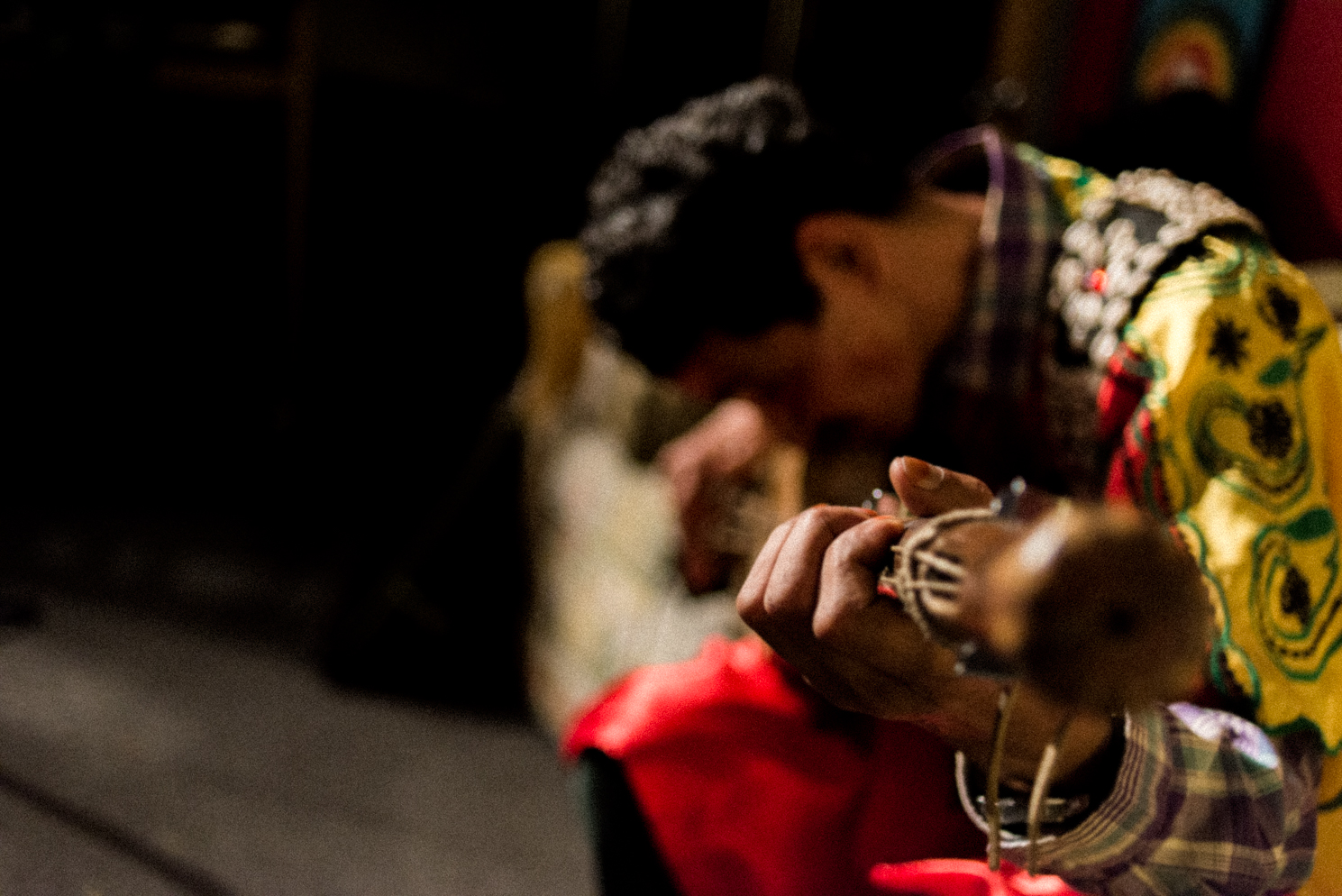
Ethical Archiving
We record and film underrepresented musical traditions and stories from the Global Majority. The result is an open-access, fair-trade archive of audio releases, music videos, and sample packs. All available for ethical remixing.

We record and film underrepresented musical traditions and stories from the Global Majority. The result is an open-access, fair-trade archive of audio releases, music videos, and sample packs. All available for ethical remixing.
Below is a curated selection from our ethical archive of traditional music and stories from underrepresented Global Majority communities.
![Juan Carlos Marin Y Amigues - [1] La Morena](https://images.squarespace-cdn.com/content/v1/593ec58bc534a5c8d1095645/65c028c8-6380-425c-9f4c-f1ee000ffc18/image-asset.jpeg)
![Layale Chaker & Sam Minaie - [1] Fi Bethlehem & Yalla Tnam](https://images.squarespace-cdn.com/content/v1/593ec58bc534a5c8d1095645/1693678011529-ISQ5SZ01Y34UMA6UVI48/image-asset.jpeg)
![Zalazil - [3] Ya Bourdayin](https://images.squarespace-cdn.com/content/v1/593ec58bc534a5c8d1095645/1715447889236-NIUNPAOGBEKQAEH8STRH/image-asset.jpeg)
![Kálmán Balogh - [4] Tendl Pál Music](https://images.squarespace-cdn.com/content/v1/593ec58bc534a5c8d1095645/1585588905653-9UMNMVS0MY8ZWPSL7A80/image-asset.png)
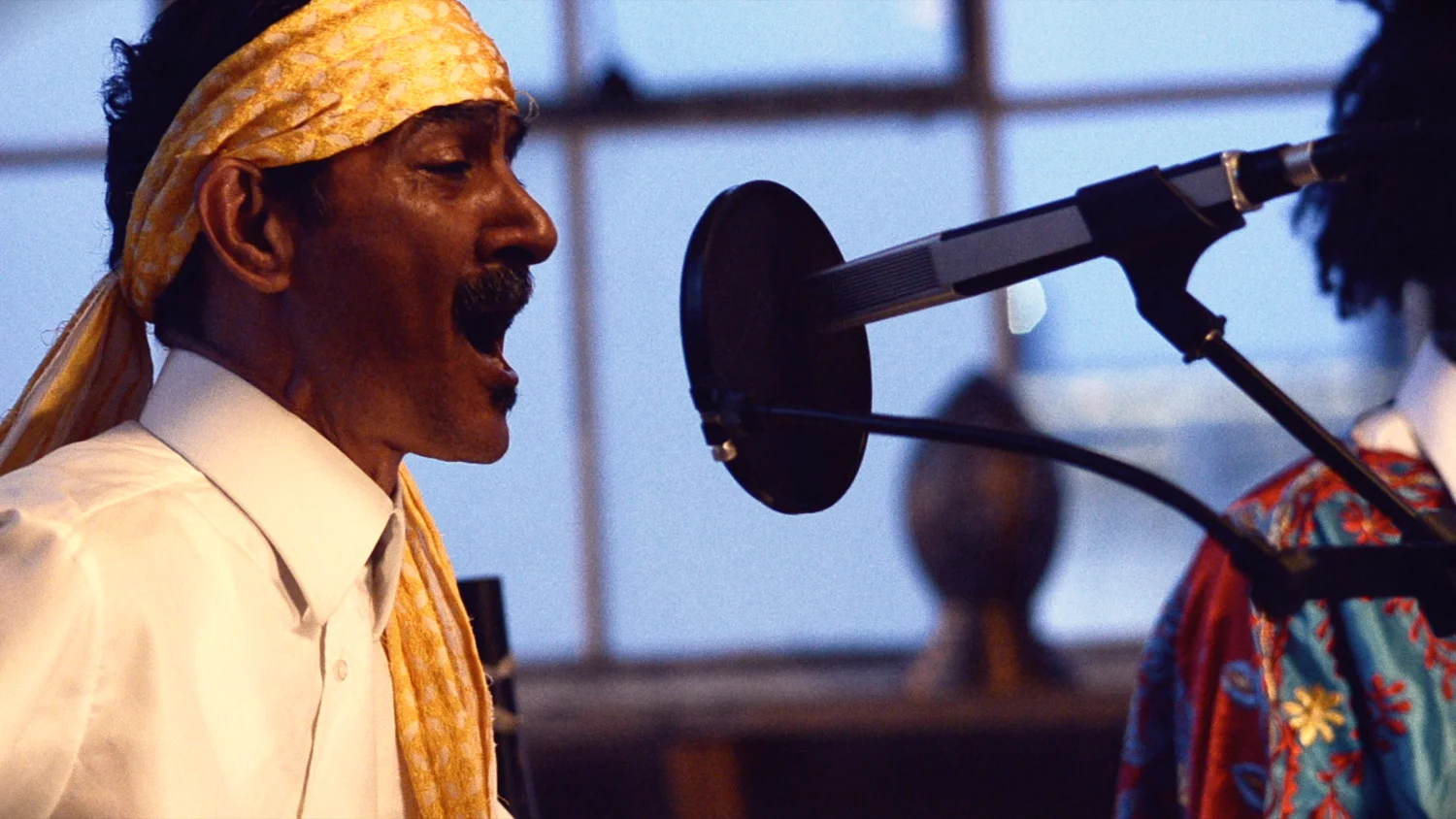
![Martin Vejarano & La Cumbiamba eNeYé - [2] Hijo Del Tambor](https://images.squarespace-cdn.com/content/v1/593ec58bc534a5c8d1095645/2dbfb597-549b-4d07-9159-55c50d8ec075/image-asset.jpeg)
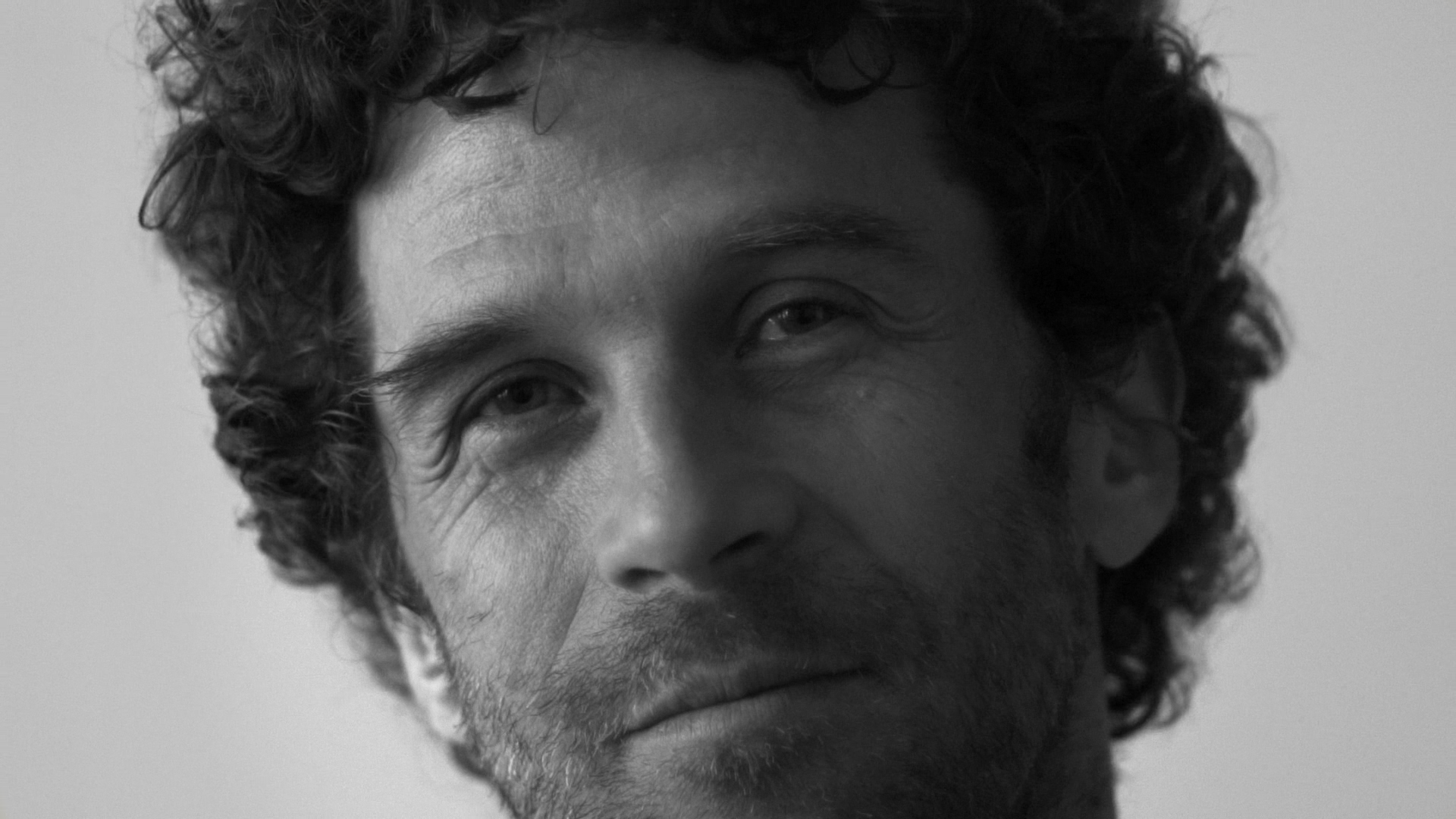
![Dani Serna Y Amigues - [1] Chimbililí / Envenená](https://images.squarespace-cdn.com/content/v1/593ec58bc534a5c8d1095645/1771269362710-OASPNFCX7CDA92O7N20W/image-asset.jpeg)
![[1] The River Voices - Lot nje molle, Lot nje Futa dhe moj](https://images.squarespace-cdn.com/content/v1/593ec58bc534a5c8d1095645/1709949075343-AMZCKHGP2MQ1Q3US284O/image-asset.jpeg)
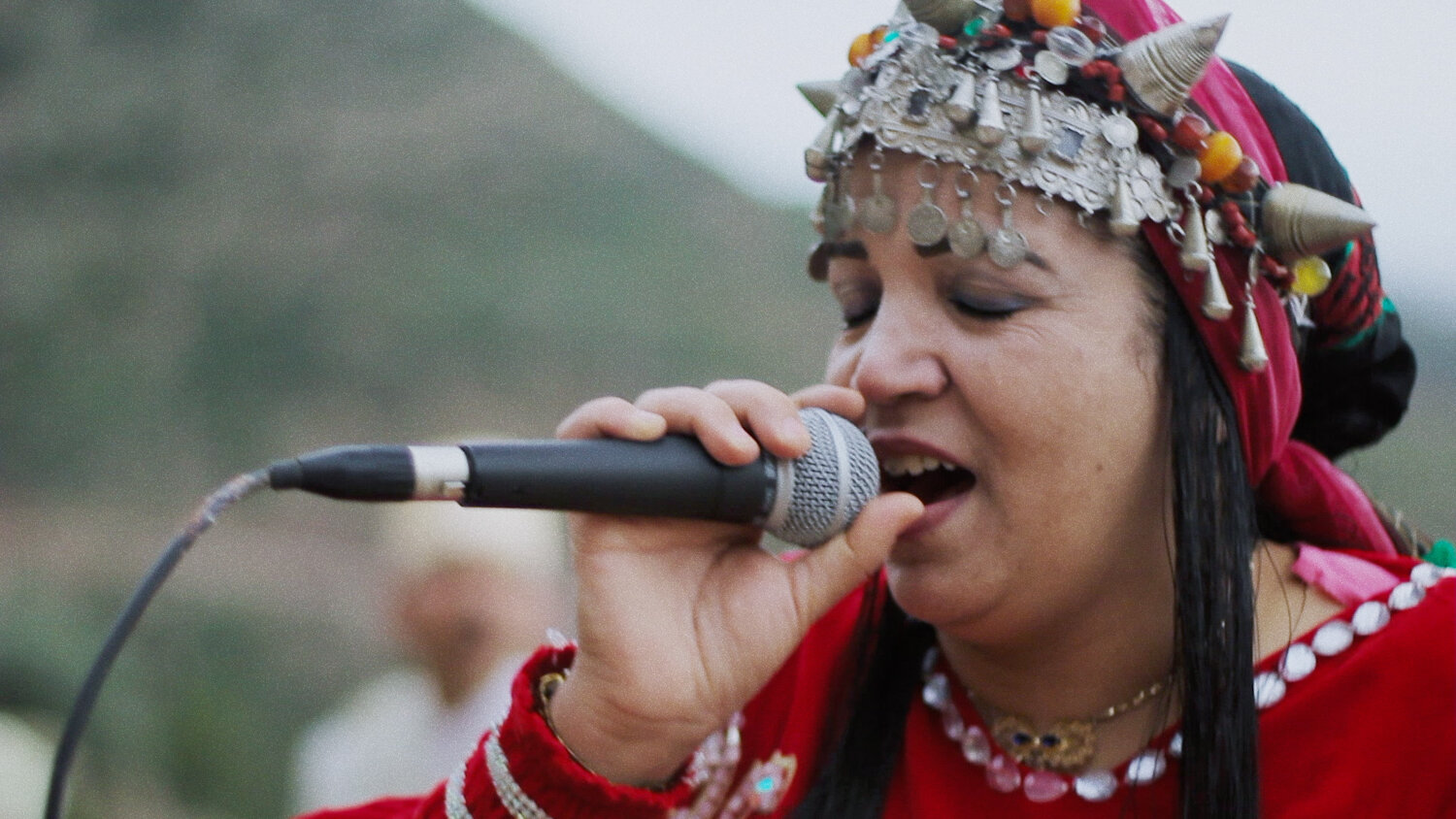
![Ferqa AHwach Agdz - [4] "Yallah Yallah Yannirda Woulli"](https://images.squarespace-cdn.com/content/v1/593ec58bc534a5c8d1095645/1594745501240-L9US3F0N4VS3DIQ1S7UU/image-asset.jpeg)
![Lee Hooper Y Amigues - [1] La Abejita Amarilla](https://images.squarespace-cdn.com/content/v1/593ec58bc534a5c8d1095645/4d6a013c-a487-4141-8eb4-91872f6c409e/image-asset.jpeg)
![Alexandra Berta - [1] Szlavóniai dallamok](https://images.squarespace-cdn.com/content/v1/593ec58bc534a5c8d1095645/1562879435211-GBZJA7K88ESCKTMCCP59/image-asset.jpeg)
![Jalikunda - [1] Kaira](https://images.squarespace-cdn.com/content/v1/593ec58bc534a5c8d1095645/1742513536880-UMP9MIL2UG1NKFDED247/image-asset.jpeg)
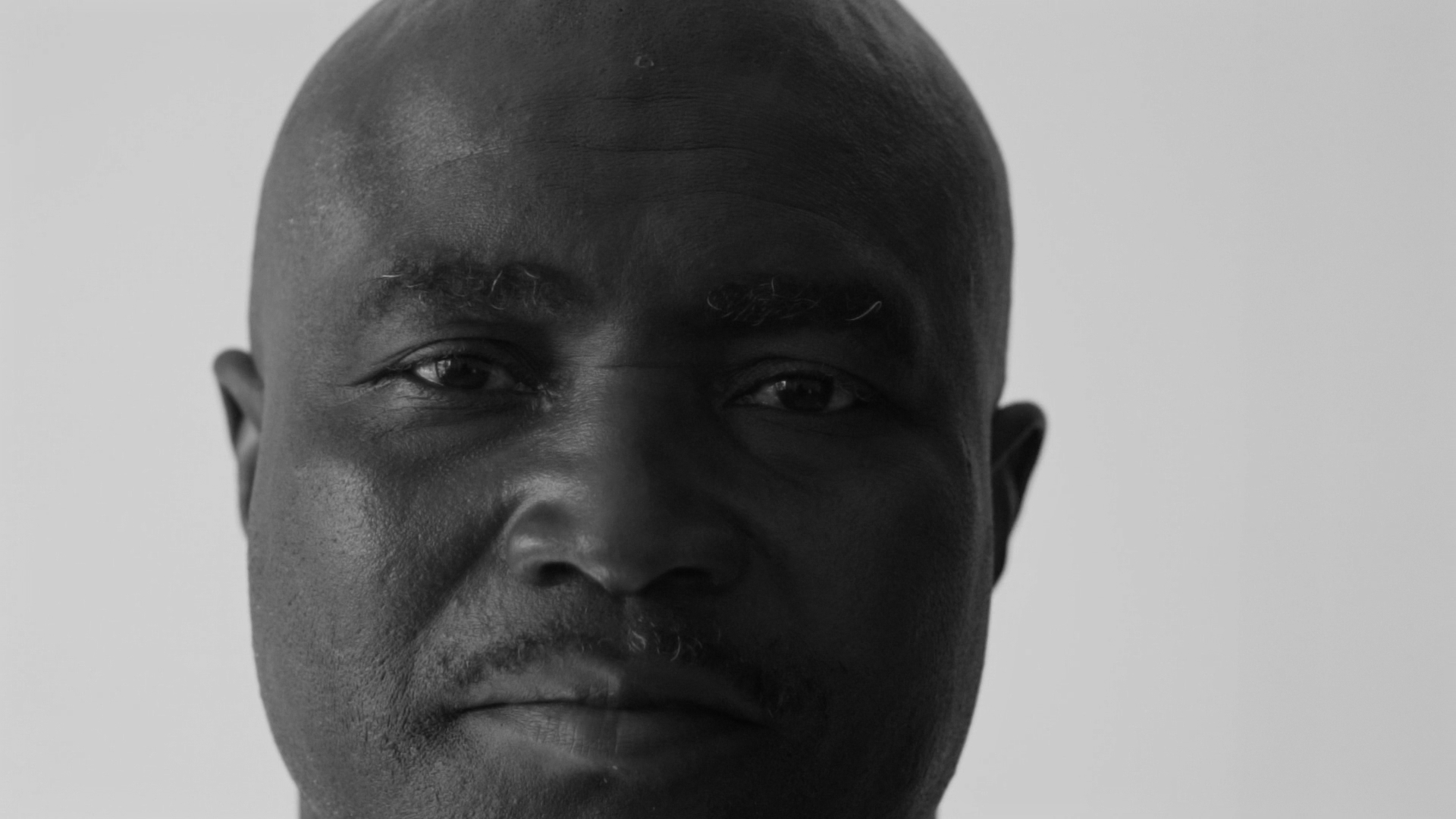
![Anna Jeffries - [1] Mahk Jchi](https://images.squarespace-cdn.com/content/v1/593ec58bc534a5c8d1095645/facb1696-df34-4d34-b67a-f065d2b1df36/image-asset.jpeg)
![[4] - Deqqat Assif Ou Aquellal - Ya Hadrin Selliw Ala Al Mustafa](https://images.squarespace-cdn.com/content/v1/593ec58bc534a5c8d1095645/d3000df9-97ce-4268-a7bf-8ccf4291fc14/image-asset.jpeg)
The musical traditions of the Global Majority — Africa, Asia, Latin America, and the global diaspora — carry beauty, wisdom, ancestral memory, and spiritual power. They are global treasures.
And yet they continue to face erasure, marginalization, assimilation, and appropriation.
Erasure by force. For centuries, dominant powers have suppressed Global Majority music outright. Enslaved Africans in the United States were forbidden from using drums — instruments that carried memory, rebuilt community, and threatened a system built on division.
Erasure by marginalization. Where music wasn't legally forbidden, it was socially suppressed. Morocco's Gnawa tradition — born from enslaved West Africans — survived only because musicians hid their instruments under clothing and gathered in clandestine healing rituals.
Erasure by assimilation. In the 1980s, London marketers coined the term "world music" — a category that has flattened all non-Western traditions into a single "other" for forty years.
Erasure by appropriation. Big Mama Thornton recorded "Hound Dog" in 1952. Elvis covered it three years later and history forgot her. The pattern continues today, as Global Majority musicians are sampled without consent in electronic music tracks around the world.
Today. All four patterns persist — some less prevalent than before, others more. And a new pressure compounds them: as authoritarianism and aggressive imperialism shift the ground beneath Global Majority communities, fear takes hold. The instinct for survival becomes: don't attract attention, don't be too visible, don't be too proud. Communities may dim their own light for the illusion of safety.
When fear tells communities to dim their light, we offer a spotlight that reveals their culture as the global treasure it has always been. For fourteen years, our partnering artists and audiences worldwide have praised the care, quality, and authenticity of our work. Here's what makes it different:
World-class audio. Professional, high-fidelity, authentic. Not over-produced, not drenched in reverb, not watered down for Western ears. The music sounds like itself — dignified, powerful, whole.
Stunning video. Artistically shot and edited. What you see is exactly what happened; what you hear is exactly what was played. Lyrics subtitled in original language and translation. The musicians cannot be abstracted away — their expressions, instruments, and humanity remain visible.
Deconstructed sample packs. The same recordings are prepared as ethically-licensed sample packs for our Community Remix Lab. The archive doesn't sit behind glass — it becomes fuel for new creation, always with consent.
Stories in their own words. Context shared alongside recordings, from the musicians and their communities. The people behind the music shape the narrative.
Full partnership at every step. Artists choose the songs, collaborate on location and instrumentation, review and sign off on all assets, co-own the rights, split net proceeds equally, and consent to the Creative Commons license and the Community Remix Lab program. This is not extraction. This is relationship.
Why This Matters
When music is documented with this level of care:
Musicians gain high-quality representation worth thousands of dollars, fair share of net proceeds, and access to new opportunities.
Communities feel renewed pride, countering generations of assimilation pressure.
Audiences develop authentic connections with cultures they might otherwise never encounter — or encounter only in distorted form.
The industry begins to shift, as audiences start expecting clarity about how music was made and whether source communities were honored.